


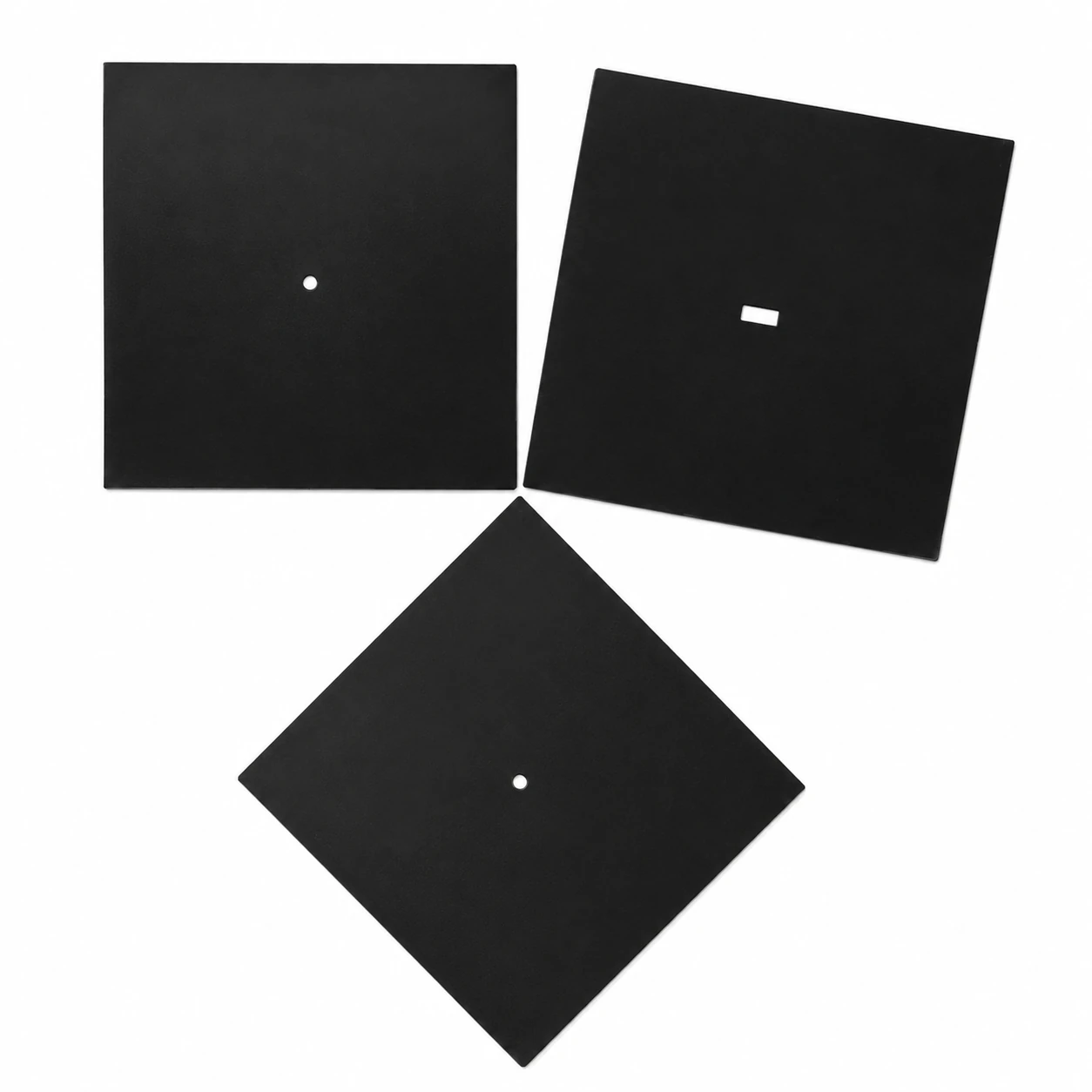
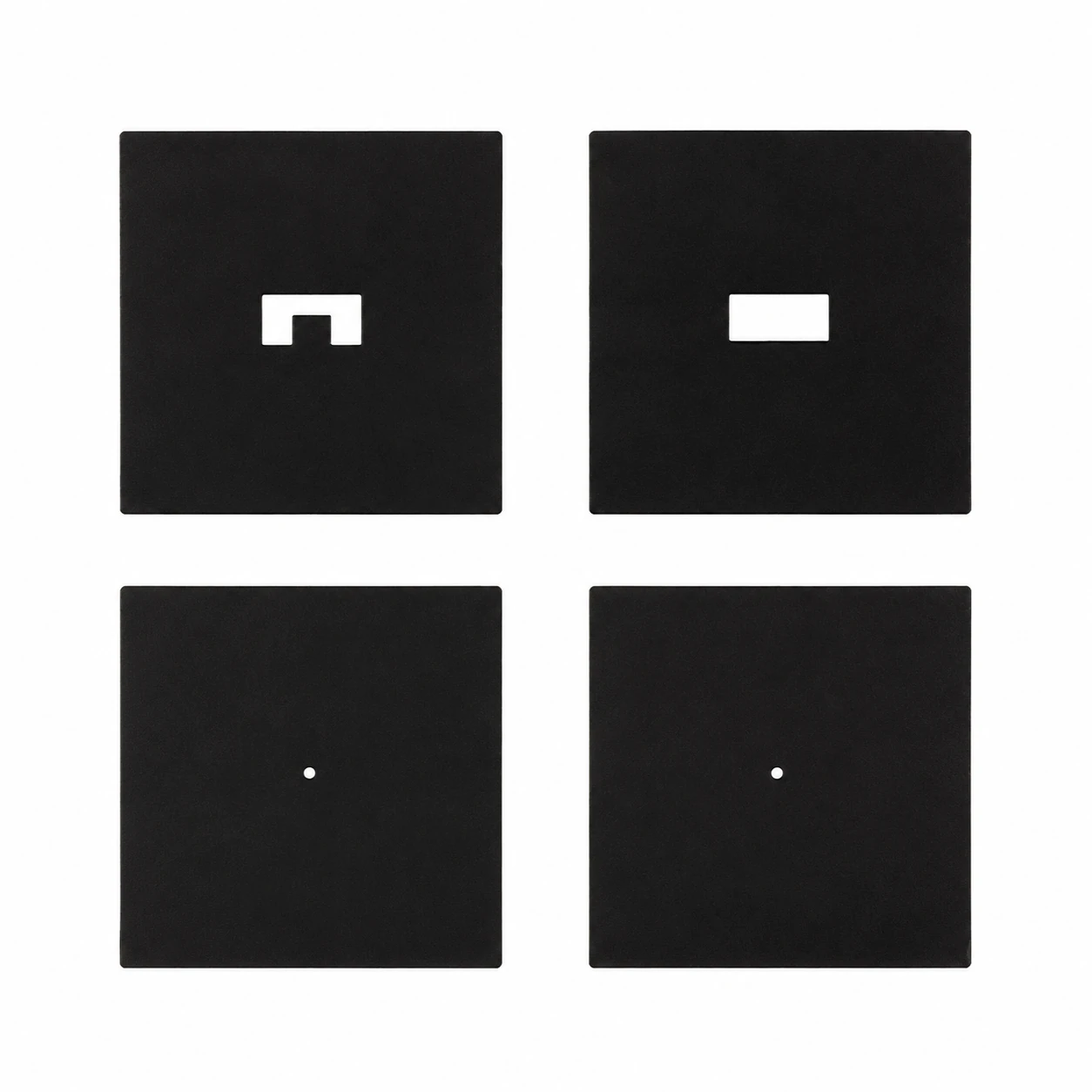
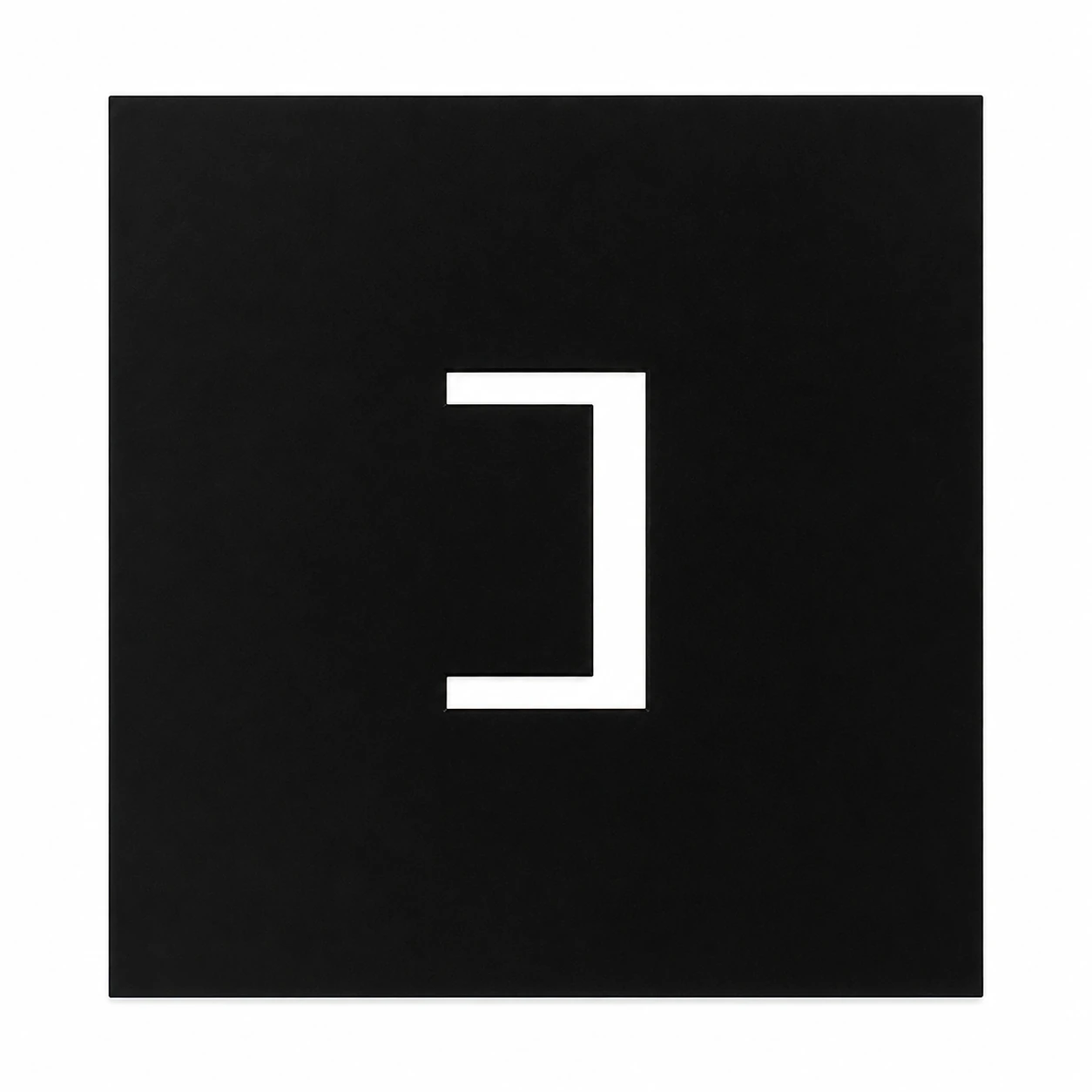
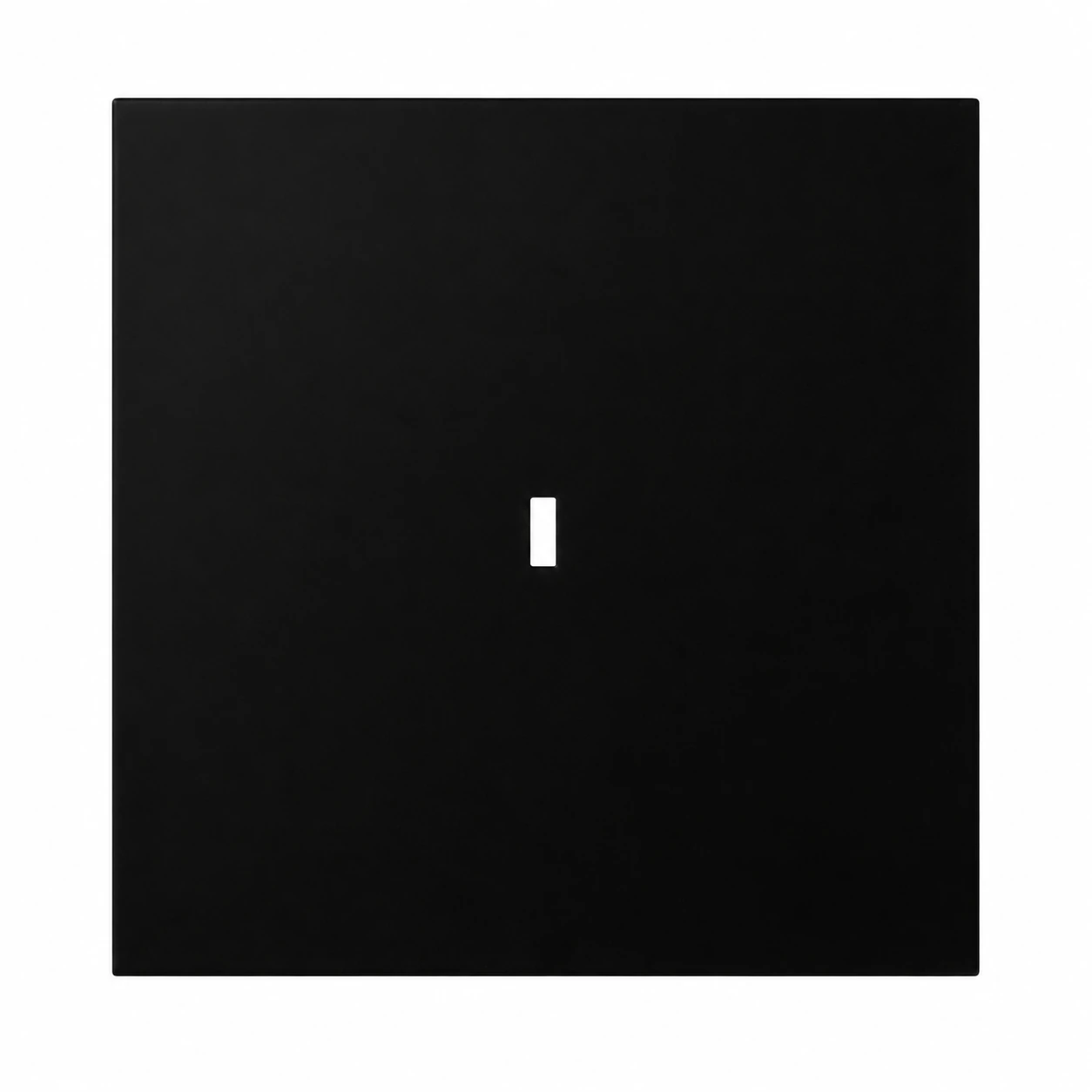

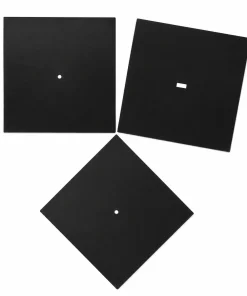

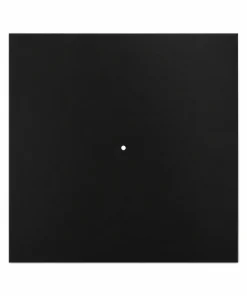
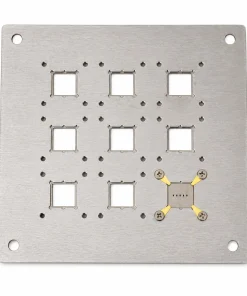
BS1 Black Stainless Steel Shadow Mask for Solar Cell Efficiency Testing
$21.00
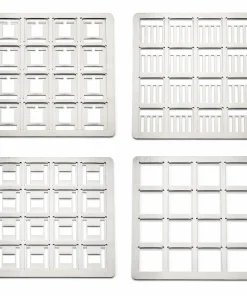
Black Stainless Steel Shadow Mask for Solar Cell Efficiency Testing
Application
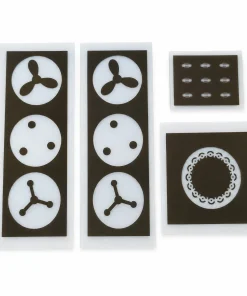
The black light-blocking mask is used for solar cell efficiency
measurement. It helps reduce reflected light from ordinary masks,
thereby reducing its influence on solar cell efficiency measurements.
Manufacturing Methods
Stainless steel shadow masks are mainly manufactured using
high-precision chemical etching or laser cutting and welding processes.
Process Specifications
| Process | Material / Thickness | Feature Size | Error | Notes |
|---|---|---|---|---|
| Chemical Etching | 304 Stainless Steel / 0.3 mm | 0.4 mm (400 µm) line width 0.4 mm (400 µm) opening |
30–60 µm | Fast processing and relatively low cost |
| High-Precision Chemical Etching | Stainless Steel | 0.1 mm (100 µm) line width | Solid area: 30 µm Opening area: 60 µm |
Suitable for interdigitated electrode shadow masks. Pattern design should take the process error into account. |
| Ultra-High-Precision Laser Processing | Stainless Steel | 0.04 mm (40 µm) line width | 20 µm | Higher precision and higher cost |
Applications
Shadow masks can be used in electron-beam evaporation,
thermal evaporation and magnetron sputtering equipment
for patterned thin-film and electrode fabrication.
- OPV devices
- OLED devices
- Perovskite solar cells
- Photodetectors
- Field-effect transistors
Process Notes
Chemically etched shadow masks generally have a smoother surface
and better flatness, but the price is relatively higher.
High-precision laser-cut and welded masks may have a slightly
rougher surface. They are generally polished and can meet normal
laboratory requirements. Customers with special requirements
should specify them in advance.
Drawing Requirements
Please provide a CAD drawing whenever possible.
If a CAD drawing cannot be provided, please provide a sketch
that accurately describes the required shadow mask specifications.
| Size | Default |
|---|
Be the first to review “BS1 Black Stainless Steel Shadow Mask for Solar Cell Efficiency Testing”
Related products



Reviews
There are no reviews yet.